Loading
Episode
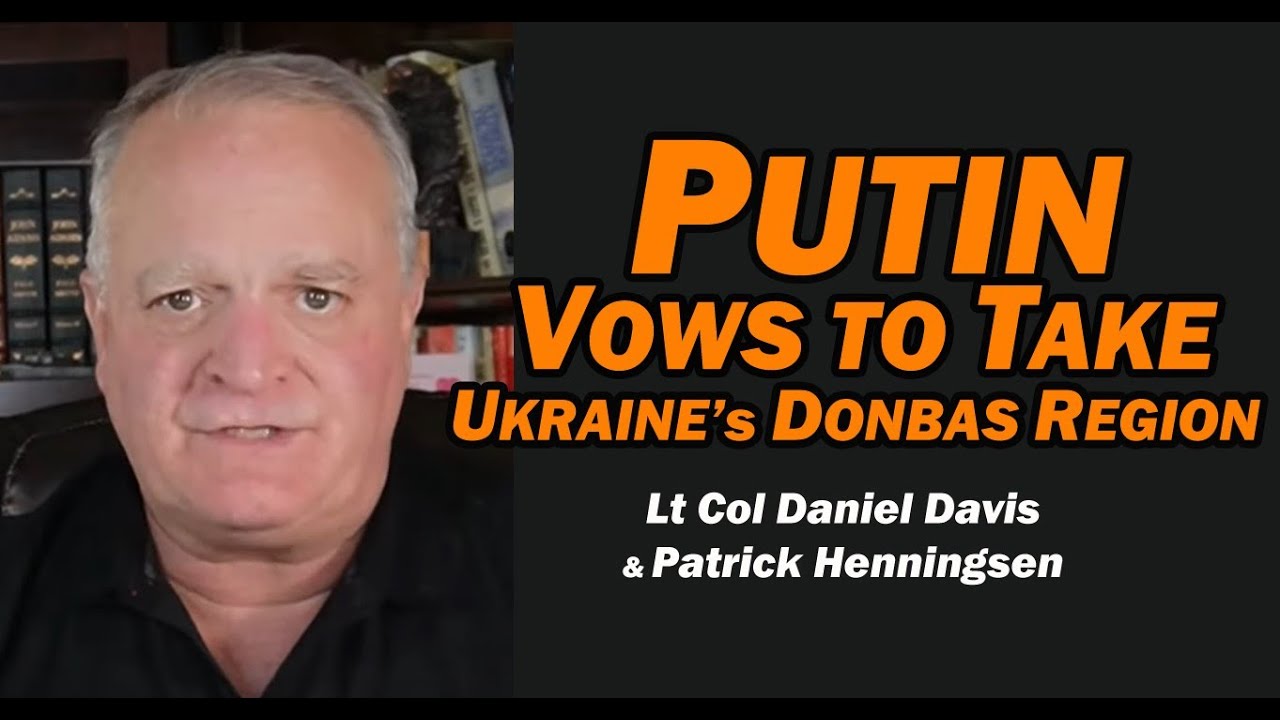
PUTIN VOWS to TAKE Ukraine's Donbas Region /Patrick Henningsen & Lt Col Daniel Davis

Views
142K
1.9× the show’s average
Episode142K
Show avg76K
Published
10mo ago
Dec 4, 2025
Length
59m
show avg 49m
From the show
Description
** NEW MERCH ** Jackets & Sweatshirts, Thermo Mugs!! Daniel Davis Deep Dive Merch: Etsy store https://www.etsy.com/shop/DanielDavisDeepDive?ref=seller-platform-mcnav Vladimir Putin has again stated that Russia will take the Donbas—by negotiation or by force—and Western leaders should not be surprised. Analysts argue that Western refusal to accept battlefield realities only prolongs the war and Ukrainian suffering. Patrick Henningsen explains that recent long meetings between Putin and Trump-aligned negotiators like Ric Grenell, Jared Kushner, and Steve Witkoff show both sides are “in an understanding phase,” with Russia giving the U.S. team a crash course in geopolitical and historical realities. The positive sign, he says, is that Washington appears to finally acknowledge facts on the ground—especially that Ukraine will not join NATO. However, many points of the proposed 28-point peace plan remain unacceptable to Moscow, particularly any arrangement that leaves Russia without full control of the Donbas or the Zaporizhzhia nuclear plant. Russia sees the plant, enriched uranium, and the region’s security as red lines. Russia is also skeptical of U.S. reliability after broken Biden-era commitments. Putin is signaling not only to Washington but also to Europe. He warns that Russia seeks no war with NATO, but will respond swiftly if Europe pursues escalation, including preemptive strike talk from Italy or conscription discussions in Germany. Moscow sees a widening split between the U.S. and Europe and is exploiting it. On diplomacy, Henningsen notes that Russia’s team (Lavrov, Ushakov, etc.) are highly experienced, while Trump’s envoys lack diplomatic training. Trump values personal trust over expertise, which helps politically but makes sealing a complex deal much harder. To succeed, Henningsen argues, Trump would need skilled diplomats to secure buy-in from Europe, NATO members, Democrats, and U.S. establishment figures—none of which is happening. Europe, excluded from the Trump–Russia channel, appears to be undermining the U.S. plan by proposing changes they know Russia will reject. Putin accused European leaders of deliberately sabotaging peace efforts so they can later blame Russia for failure. Zelensky was recently “stood up” by Witkoff in Dublin—another signal that the U.S. is deprioritizing Kyiv’s input. Europe continues pursuing its own path, including increased militarization and talk of preparing for war with Russia by 2027. According to Henningsen, Russia has learned not to trust Western promises and now treats Western negotiations with skepticism, assuming political theatrics and internal disputes will continue. Meanwhile, Russia intends to keep achieving objectives militarily while diplomacy drags on.
Related
More with these guests

Trump Threatens to Destroy Iran Again / Patrick Henningsen in Tehran
75K viewsDaniel Davis / Deep Dive·Jul 6, 2026· With Patrick Henningsen

WHY IRAN TALKS WILL FAIL /Patrick Henningsen & Lt Col Daniel Davis
69K viewsDaniel Davis / Deep Dive·Jun 22, 2026·With Patrick Henningsen

Patrick Henningsen: How a U.S. Defeat Makes Iran a World Power
79K viewsGlenn Diesen·Jun 10, 2026·With Patrick Henningsen

Iran, Trump & Israel: RULES OF THE GAME HAVE CHANGED /Patrick Henningsen & Lt Col Daniel Davis
111K viewsDaniel Davis / Deep Dive·Jun 1, 2026·With Patrick Henningsen

Saudi Arabia & US Air Space /Lt Col Daniel Davis & Patrick Henningsen
140K viewsDaniel Davis / Deep Dive·May 7, 2026·With Patrick Henningsen

MORE IRAN TALKS, JUST A FACADE /Patrick Henningsen & Lt Col Daniel Davis
84K viewsDaniel Davis / Deep Dive·Apr 14, 2026·With Patrick Henningsen
Related
Talks about similar things

Scott Ritter: US-Russia Negotiations Are Dead & the Leipzig Drone Attack was a False Flag
343K viewsGlenn Diesen·Sep 9, 2026
Trump Threatens to Destroy Iran Again / Patrick Henningsen in Tehran
75K viewsDaniel Davis / Deep Dive·Jul 6, 2026

Russia's Massive Attack on Kyiv //Lt Col Daniel Davis & Matt Hoh
191K viewsDaniel Davis / Deep Dive·Jul 2, 2026

Alex Christoforou: Massive Attack on Moscow - EU Prepares for War
523K viewsGlenn Diesen·Sep 21, 2026
Scott Ritter: U.S. Revives Empire & Europe Is No Longer An Ally
90K viewsGlenn Diesen·Feb 19, 2026
Patrick Henningsen: How a U.S. Defeat Makes Iran a World Power
79K viewsGlenn Diesen·Jun 10, 2026