Loading
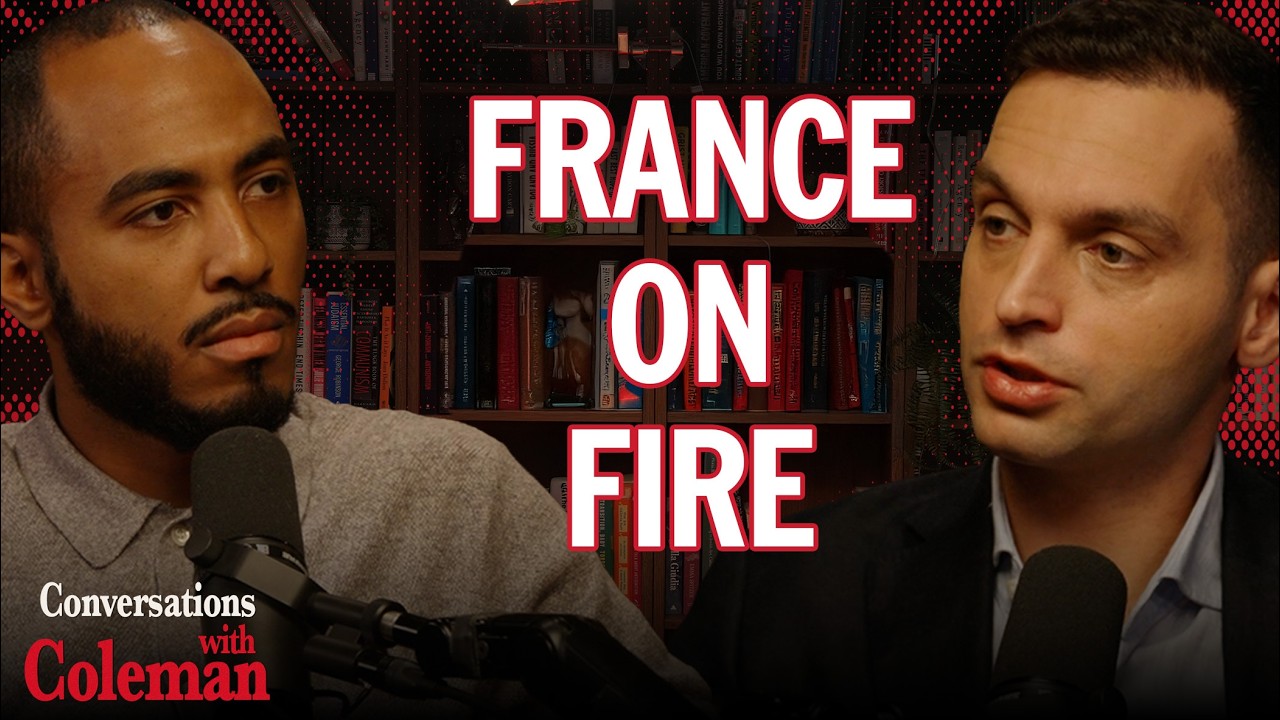
Episode
Konstantin Kisin: France’s Chaos Is Coming for Britain

Views
657K
9.8× the show’s average
Episode657K
Show avg67K
Published
3d ago
Oct 22, 2026
Length
58m
show avg 1h 15m
From the show
Description
What began over a month ago as a student protest has devolved into the country’s worst civil unrest in years. On Saturday, hundreds of thousands of demonstrators took to the streets over the rising cost of living and declining public services. Across France, rioters set cars ablaze, looted shops, and attacked municipal buildings. Images of burning streets and ransacked storefronts quickly spread across social media, fueling a debate about what, exactly, is happening to France. Konstantin Kisin, co-host of the Triggernometry podcast and author of An Immigrant’s Love Letter to the West, told me that he thinks France is just the tip of the iceberg. He sees the unrest as the inevitable consequence of decades of mass immigration with little serious effort at integration. Generous social welfare programs subsidized millions of newcomers, demanding nothing in return. Leaders’ dogged embrace of multiculturalism, even as their own citizens increasingly questioned it, ultimately cost the nation its shared identity, the very thing that holds a society together. What Kisin calls the cycle of mutual radicalization—compounded by economic stagnation—explains much of the anger and violence unfolding today. The cultural differences that France and its neighbors so aggressively celebrated could well prove Europe’s undoing. We then turned to Russia and Ukraine. I asked whether the United States bears some responsibility for the war by provoking Russia with the prospect of Ukrainian NATO membership. Kisin was skeptical. It may have influenced the timing or course of the invasion, he said, but it didn’t create the underlying conflict. Russia’s centuries-old drive to expand westward predates NATO. Ukraine has long been caught between two civilizations, and war was always the only way out. I also asked him about Donald Trump’s recent diesel deal with Vladimir Putin, which Kisin thinks has almost nothing to do with ending the war in Ukraine. Kisin sees the deal as an attempt to deflect blame for rising fuel prices ahead of the midterms, even if it means leaving Ukraine virtually indefensible. His larger concern is that Trump's war in Iran has made him desperate for a political victory, and that Ukraine may end up paying the price. This episode featured audience questions from The Free Press Forum, a platform for subscribers to connect with other Free Pressers. Head to TheFP.com/Forum to join the conversation.
Mentioned
Names dropped
Related
More with these guests

Follow Whatever Glitters In The Corner
323K viewsJordan B Peterson·Oct 4, 2026· With Konstantin Kisin
Why You Read Their Eyes First
645K viewsJordan B Peterson·Sep 27, 2026·With Konstantin Kisin

Britain's Immigration Crisis is More Extreme Than You Think
479K viewsNick Freitas·Sep 24, 2026·With Konstantin Kisin

Konstantin Kisin’s WARNING: Our Leaders Have Lost Control, We’re Headed For Conflict And Violence!
2.8M viewsThe Diary of a CEO·Aug 20, 2026·With Konstantin Kisin

“The Politics Of Gaslighting”: Why Britain Won't Face Its Own Decline | Konstantin Kisin
314K viewsJohn Anderson Media·Aug 14, 2026·With Konstantin Kisin

Triggered By Trauma w/ Triggernometry's Francis Foster & Konstantin Kisin | Your Mom's House Ep. 851
340K viewsYour Mom's House·Mar 18, 2026·With Konstantin Kisin
Related
Talks about similar things

Politeness Is Killing Britain w/ Winston Marshall
78K viewsNick Freitas·Sep 29, 2026

Joe Rogan Visibly Shocked as UK MP Shares Proof of Dark Elite Plan
159K viewsThe Rubin Report·Jul 9, 2026
Britain's Immigration Crisis is More Extreme Than You Think
479K viewsNick Freitas·Sep 24, 2026
Konstantin Kisin’s WARNING: Our Leaders Have Lost Control, We’re Headed For Conflict And Violence!
2.8M viewsThe Diary of a CEO·Aug 20, 2026

Why Britain Won't Stop the Boats
112K viewsNick Freitas·Oct 6, 2026

Our Thoughts On The Iran War
602K viewsTriggernometry·Mar 31, 2026