Loading
Episode
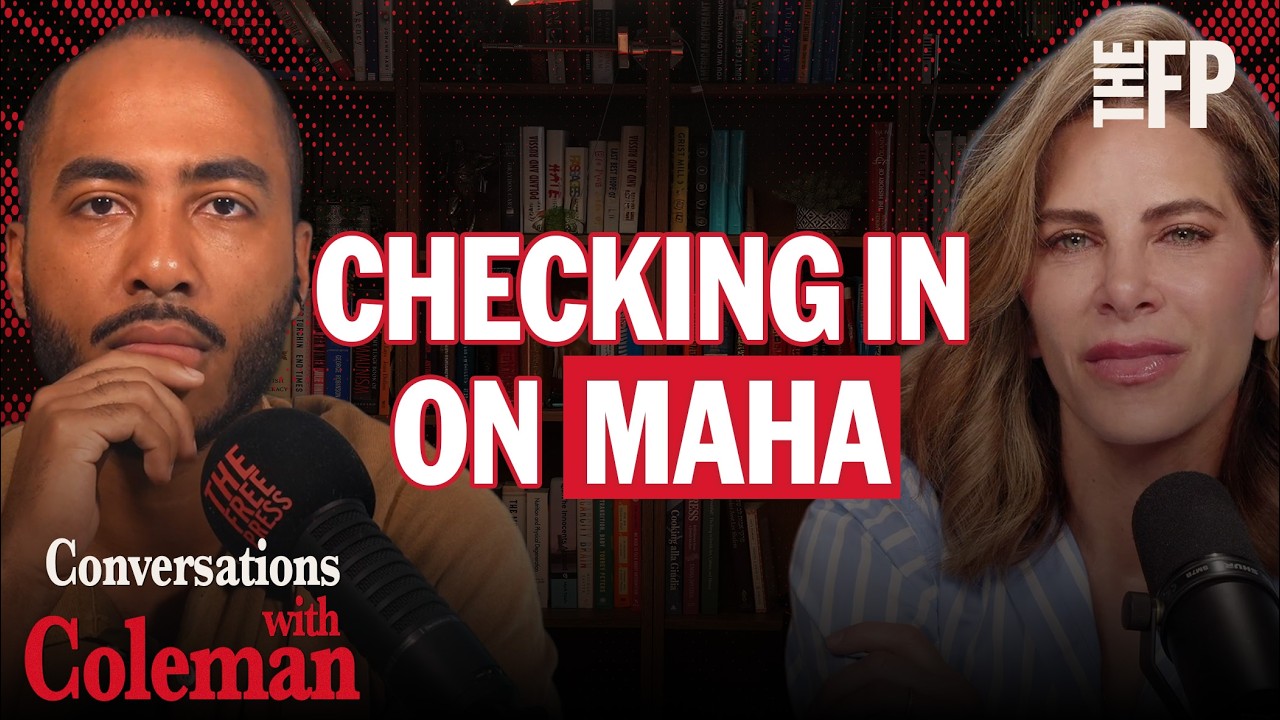
The Real Reason Americans Are So Sick, with Jillian Michaels

Views
26K
0.4× the show’s average
Episode26K
Show avg69K
Published
3mo ago
Jul 27, 2026
Length
1h 13m
show avg 1h 15m
From the show
Chapters
Jillian Michaels has spent 30 years as one of America’s most recognizable fitness experts, but what makes her an interesting guest is not just her expertise. Michaels describes herself as a classical liberal, and this conversation is in part about how that worldview has been tested over the past decade. Watching the Democratic Party embrace policies that she saw as not just politically misguided but actually harmful to people’s health and well-being pushed her toward a kind of political commentary she never expected to be doing. She hasn’t become a conservative, but she’s no longer willing to stay quiet. And if you want to understand why she left California after 47 years, she tells a story about being robbed in her own home, accused by the robber of being his secret lover, and ending up in a police interrogation that will make your jaw drop. The fact that she arrived at political commentary through health gives her a perspective on these debates that most commentators don’t have. When she talks about the food system or the pharmaceutical industry, she’s not working from ideology. She’s speaking from the perspective of someone who’s spent three decades watching what actually happens to people’s bodies. Michaels argues that America’s current obesity crisis is not a failure of willpower. It is the predictable result of food and pharmaceutical industries designed to profit instead of nourish. The Make America Healthy Again (MAHA) movement is an attempt to address that, and Michaels’ assessment of it is more nuanced than either its fans or its critics tend to allow. Our conversation covers a lot of ground. Michaels makes the case against taking Ozempic for vanity purposes and explains what the drug actually does to your body over time. She gives a nuanced take on Robert F. Kennedy Jr. and MAHA, crediting what the movement has accomplished while being clear about where it has fallen short. And she makes a sharp distinction between legitimate vaccine skepticism and the kind that ends up bringing measles back.
- 0:00Intro
- 1:40Jillian's Jewish and Arab Heritage
- 5:49How Wokeness Drove Jillian Into Politics
- 14:01Why Jillian Left California
- 18:42The Burglary Story
- 24:24The CNN Slavery Debate with Abby Phillips
- 34:34The Global History of Slavery and Why It Matters
- 43:45The MAHA Movement and RFK's Mixed Legacy
- 49:22Vaccines, RFK, and Nuance
- 59:19Ozempic: The Pros, Cons, and Hidden Dangers
- 1:09:21Does Your Metabolism Actually Slow Down as You Age?
Mentioned
Names dropped
Related
More with these guests

The Biggest Election Night Stream: Glenn Beck, Jillian Michaels, Stephen A. Smith & Many More
430K viewsThe Rubin Report·Nov 4, 2026· With Jillian Michaels

Jimmy Failla: "Mostly Peaceful" Riots Are Back! | FOX Across America
9K viewsFOX News Podcasts·Oct 20, 2026·With Jillian Michaels

The Exact Moment Host Realizes Lindsay Clancy Supporters Are Insane
202K viewsThe Rubin Report·Sep 4, 2026·With Jillian Michaels

"You're DISGUSTING!" Iran War Debate, Michigan Race + Enes Kanter Freedom On WNBA Row
726K viewsPiers Morgan Uncensored·Sep 2, 2026·With Jillian Michaels

Pt2: From Media Backlash to School Censorship: Who Controls Free Speech?
2K viewsThe Dr. Phil Podcast·Apr 28, 2026·With Jillian Michaels

Public Humiliation & Resilience: Jillian Michaels’ Advice for Life | Hang Out with Sean Hannity
69K viewsHang Out with Sean Hannity·Apr 9, 2026·With Jillian Michaels
Related
Talks about similar things

Another Dem Scandal as Alaska’s Peltola Staff Abuses Surface
65K viewsRuthless Podcast·Sep 25, 2026
PROOF the Elites Created the College System to Sell You a LIE! | Fat Electrician
186K viewsJulian Dorey Daily·Jul 19, 2026

Susan Kokinda: London Just Weaponised Diesel & Trump Reversed It
179K viewsRich Does Politics·Sep 19, 2026

How AI Should Handle News, Politics, Medicine, and Mental Health — With Campbell Brown
5K viewsBig Technology Podcast·Aug 26, 2026

AI CEO Humiliated as Mark Zuckerberg Responds to His Threat
113K viewsThe Rubin Report·Sep 17, 2026

China Isn't Rising. It's Peaking — And That's Why War Is Coming
74K viewsTom Bilyeu·Aug 25, 2026