Loading

Episode
Science of Stress, Testosterone & Free Will | Dr. Robert Sapolsky

Views
1.7M
1.5× the show’s average
Episode1.7M
Show avg1.1M
Published
5y ago
Aug 30, 2021
Length
1h 30m
show avg 1h 58m
From the show
Chapters
In this episode, I interview Dr. Robert Sapolsky, Ph.D., Professor of Biology, Neurology & Neurosurgery at Stanford University. We discuss stress, what defines short-term versus long-term stress and how stress can be beneficial or detrimental depending on the context. We also discuss stress mitigation and how our sense of control over stress-mitigation techniques, including exercise, determines health outcomes. Dr. Sapolsky explains some of the key effects of the hormone testosterone—how it can amplify pre-existing tendencies for aggression or sexual behavior but does not produce those behaviors per se. He also explains how testosterone impacts our social hierarchies, sense of confidence and willingness to embrace challenges of different kinds. He further explains how our behaviors and perceptions shape testosterone levels. We also discuss estrogen and the powerful role it plays in brain development, health and longevity. Finally, we discuss free will, what it means to have free will and whether we have any, including how knowledge alone might allow us to make better decisions for ourselves and society. For an up-to-date list of our current sponsors, please visit our website: https://www.hubermanlab.com/sponsors. Previous sponsors mentioned in this podcast episode may no longer be affiliated with us. Social & Website Instagram: https://www.instagram.com/hubermanlab Threads: https://www.threads.net/@hubermanlab Twitter: https://twitter.com/hubermanlab Facebook: https://www.facebook.com/hubermanlab TikTok: https://www.tiktok.com/@hubermanlab Website: https://www.hubermanlab.com Newsletter: https://www.hubermanlab.com/newsletter Apple Podcasts: https://apple.co/3thCToZ Spotify: https://spoti.fi/3PYzuFs Links Dr. Sapolsky's most recent book, "Behave: The Biology of Humans At Our Best & Worst": https://amzn.to/3yrZ6k7 Support Research in the Huberman Lab at Stanford on Stress, Sleep & Human Performance: https://hubermanlab.stanford.edu/giving Photo credit: Linda A. Cicero (used with permission from Stanford Medicine Media) Disclaimer: https://www.hubermanlab.com/disclaimer
- 0:00Introduction: Dr. Robert Sapolsky
- 2:26Sponsors: Roka, InsideTracker
- 6:30Stress: Short & Long-Term, Good & Bad
- 9:11Valence & Amygdala
- 11:00Testosterone: Common Myths vs. Actual Truths
- 15:15Behaviors that Affect Testosterone
- 17:20Mindsets & Contexts that Affect Testosterone
- 20:28How Finger Length Ratios Reflect Prenatal Hormone Levels
- 22:30Aggression: Male-Female, Female-Male, & Female-Female
- 24:05Testosterone: The Challenge Hypothesis
- 29:20How Dopamine Impacts Testosterone & Motivation
- 32:32Estrogen: Improves Brain & Longevity BUT TIMING IS KEY
Related
More with these guests

Essentials: Science of Stress, Testosterone, Aggression & Motivation | Dr. Robert Sapolsky
233K viewsHuberman Lab·Jul 10, 2025·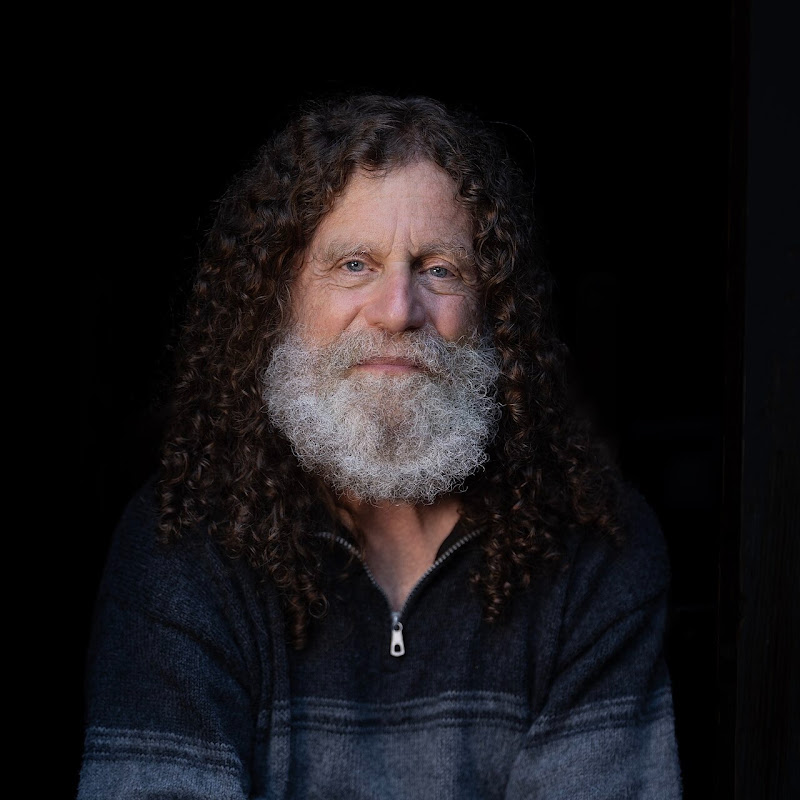 With Robert Sapolsky

The Science of Stress & Free Will | Dr. Robert Sapolsky
29K viewsMark Hyman, MD·Oct 16, 2024·With Robert Sapolsky

Do We Have Free Will? with Robert Sapolsky & Neil deGrasse Tyson
2.6M viewsStarTalk·Mar 14, 2024·With Robert Sapolsky

The Illusion of 'Free Will', The Psychology Behind Donald Trump, and The Science of Stress
522K viewsThe Rest Is Politics·Feb 13, 2024·With Robert Sapolsky

There's No Free Will. What Now? - Robert Sapolsky
1.1M viewsAlex O'Connor·Feb 11, 2024·With Robert Sapolsky

Free Will Does Not Exist with Robert Sapolsky - Factually! - 246
102K viewsAdam Conover·Jan 31, 2024·With Robert Sapolsky
Related
Talks about similar things
Essentials: Science of Stress, Testosterone, Aggression & Motivation | Dr. Robert Sapolsky
233K viewsHuberman Lab·Jul 10, 2025

How to Make Better Decisions | Dr. Michael Platt
364K viewsHuberman Lab·Feb 17, 2025

Neuroscience Meets Psychology | Dr. Andrew Huberman | EP 296
5.1M viewsJordan B Peterson·Oct 13, 2022

The Neuroscience of Optimal Performance: Dr. Andrew Huberman | Rich Roll Podcast
1.2M viewsRich Roll·Mar 7, 2022

Elon Musk: Neuralink and the Future of Humanity | Lex Fridman Podcast #438
4.6M viewsLex Fridman Podcast·Aug 2, 2024
Understanding Stress, Willpower & Discipline - Dr Andrew Huberman (4K)
3.0M viewsChris Williamson·Oct 30, 2023