Loading
Episode
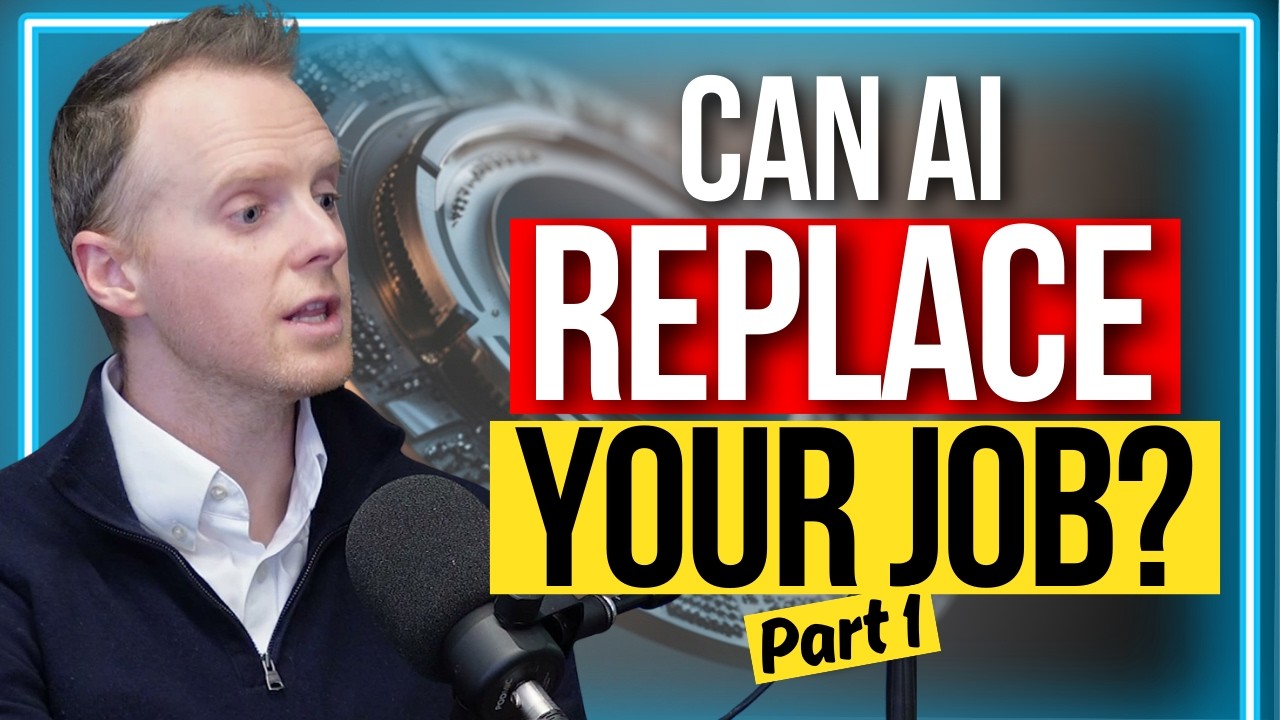
The Jobs Most Vulnerable to AI (And What’s Safe) Part 1 - with Dr. Ben Zweig

Views
940
0.1× the show’s average
Episode940
Show avg7K
Published
7mo ago
Feb 27, 2026
Length
31m
show avg 1h 05m
From the show
Chapters
Dr. Ben Zweig holds a PhD in Economics from the CUNY Graduate Center and is the CEO and Co-Founder of Revelio Labs, a workforce intelligence company that uses AI to analyze employment data from millions of public sources. He's also an Adjunct Professor at both Columbia Business School and NYU Stern School of Business, where he teaches courses on Data Science and The Future of Work. Prior to founding Revelio Labs, Ben worked as a Managing Data Scientist at IBM's Chief Analytics Office and as a Quantitative Strategist at an emerging markets hedge fund. His research focuses on occupational transformation and social mobility. In this interview, I talk with Ben about why we need to completely rethink how we understand work in the age of AI. Ben explains that jobs aren't indivisible units that either exist or don't exist—they're bundles of tasks that are constantly evolving. The real question isn't whether AI will replace your job, but which tasks within your job will be automated, and what new opportunities that creates. We explore the John Henry fallacy, the difference between executing tasks and orchestrating workflows, why agentic AI represents a fundamental shift in automation capabilities, and how the ATM paradox reveals why technology often creates more jobs than it destroys. Ben also shares insights about why entry-level workers face unique challenges in an AI-driven economy and what signals actually matter when positioning yourself as a job candidate. Key Takeaways Jobs are bundles of tasks, not atomic units. Automation affects specific tasks within jobs rather than eliminating entire occupations, which means your job will transform rather than disappear. ATMs didn't reduce bank teller jobs because while they automated cash dispensing, they made branches cheaper to operate and freed tellers to do higher-value relationship work—a pattern that repeats across many technologies. AI is currently better at executing specific tasks than orchestrating workflows, but agentic AI that can coordinate complex sequences of tasks represents a major shift that could change which jobs are most vulnerable. The "exposure" framework, measuring which jobs have the most tasks that AI can perform, shows knowledge workers are highly exposed, but exposure doesn't equal displacement because firms adopt technology slowly and workers adapt. Keynes predicted we'd work 15-hour weeks by 2030 because he underestimated our appetite for consumption and new desires, we don't run out of things to want, which creates endless demand for human labor in new domains. Resources: Ben Zweig's LinkedIn: https://www.linkedin.com/in/ben-zweig _______________ Subscribe via Apple Podcasts: https://affordanything.com/applepodcasts Full show notes for the episode: https://affordanything.com/episode Get our show notes in your inbox: https://affordanything.com/shownotes Follow us! IG: https://instagram.com/paulapant Twitter: https://twitter.com/affordanything FB: https://facebook.com/affordanything Community: https://affordanything.com/community
- 0:00Introduction
- 0:35The fable of John Henry and the Luddites
- 3:17What is a job? Jobs as bundles of tasks
- 4:33Execution vs. orchestration in the age of AI
- 6:27Why coordination costs matter in the future of work
- 9:12Agentic AI and workflow coordination
- 11:42Real-world example: AI's impact on specific job tasks
- 15:25The ATM paradox: Why automation created more jobs
- 22:50Why entry-level workers face unique challenges
- 26:26What the data shows about young workers and AI
Related
More with these guests

Job Titles Don’t Mean What They Used To (And That Affects Your Pay) - with Dr. Ben Zweig (Part 2)
854 viewsAfford Anything Podcast·Mar 3, 2026·With Ben Zweig
BZ
Related
Talks about similar things
Job Titles Don’t Mean What They Used To (And That Affects Your Pay) - with Dr. Ben Zweig (Part 2)
854 viewsAfford Anything Podcast·Mar 3, 2026

AI DEBATE: “Most People Have No Idea What’s Coming”
405K viewsChris Williamson·Aug 17, 2026

The most rational take on AI you’ll hear this year
122K viewsLenny's Podcast·May 31, 2026

Marc Andreessen: The real AI boom hasn’t even started yet
388K viewsLenny's Podcast·Jan 29, 2026

Why creative people can't stick to one thing
2K viewsThe Jordan Harbinger Show·Jun 22, 2026

Nobel Economist: Where He Sees the Real Money in AI
256K viewsSilicon Valley Girl·Oct 6, 2026