Loading
Episode
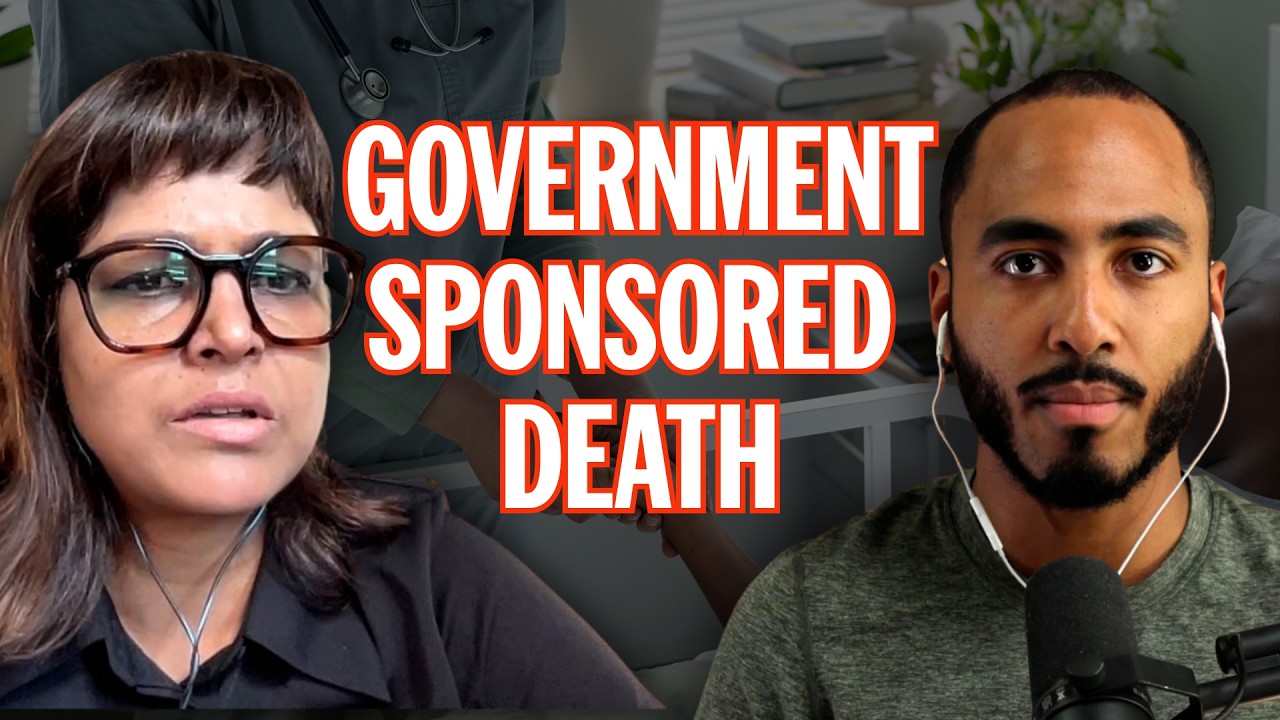
Has Canada's Euthanasia Program Gone Too Far?

Views
17K
0.3× the show’s average
Episode17K
Show avg70K
Published
5mo ago
May 26, 2026
Length
1h 00m
show avg 1h 15m
From the show
Description
Canada legalized assisted dying in 2016, with a promise that it would be “narrow, cautious,” and reserved for those within months of death. It hasn’t stayed that way. The law has since expanded to cover people with chronic but nonterminal conditions, people with disabilities, and people whose suffering is entirely psychological. Now a parliamentary committee is studying whether to extend it further, to people with mental illness as their sole underlying condition. Rupa Subramanya has been reporting on this for The Free Press for years. She’s interviewed patients in the weeks before their deaths, the doctors who perform the procedures, and the families left behind. Some of those doctors, she found, actively seek out the limits of what the law allows and then push past them. I’m not coming into this one cold. I’ve written about MAID before, and I lost my mother to stage 4 cancer, so I know what it looks like when assisted dying feels like a merciful choice. Rupa and I agree on that core concept: We both support the right to die for the genuinely terminally ill, and we’re both troubled by where Canada has gone. We also get into the harder questions: where the line should be, whether the slippery slope is real or whether places like Oregon show that states or countries can keep a narrow law intact, and what Canada’s expansion reveals about the values and perhaps the pathologies of modern Western society.
Related
More with these guests

Trudeau, Travel, and “The Science” | EP 281
339K viewsJordan B Peterson·Aug 23, 2022·With Rupa Subramanya
RS
Related
Talks about similar things

Canada, Eh? 10 Times Megyn Kelly Exposed America's Evil Top Hat
49K viewsMegyn Kelly·Jul 25, 2026

Euthanize The Poor: Viva Frei Exposes Canada & CA's MAiD Crisis, Targeting Babies Next — Ask Dr Drew
5K viewsDr. Drew·Apr 21, 2026

"Thucydides Trap": Ex DHS Advisor Exposes Xi Jinping's Hidden Threat To Donald Trump — Ask Dr. Drew
2K viewsDr. Drew·May 21, 2026

BREAKING: 59% of Dems Would Welcome a Military Coup Against Trump
79K viewsTom Bilyeu·Sep 23, 2026

Can Minors Consent To Euthanasia? Viva Frei & Dr. Kelly Victory on Parental Consent – Ask Dr. Drew
14K viewsDr. Drew·Mar 1, 2023

Why Canadians Want To Become 51st State w/ Viva Frei, Amanda Head & Peter Downing – Ask Dr. Drew
4K viewsDr. Drew·May 22, 2025