Loading
Episode
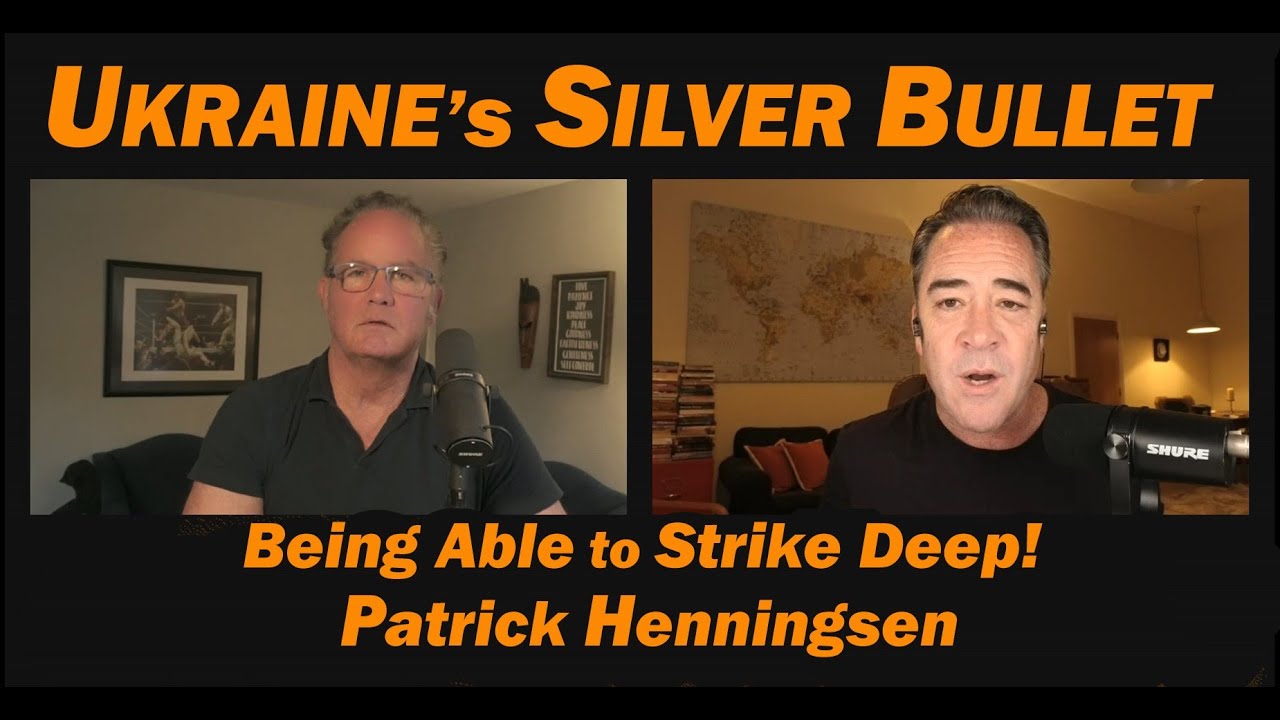
Ukraine's Silver Bullet / Patrick Henningsen

Views
37K
0.5× the show’s average
Episode37K
Show avg75K
Published
11mo ago
Oct 23, 2025
Length
1h 07m
show avg 49m
From the show
Description
Daniel Davis Deep Dive Merch: Etsy store https://www.etsy.com/shop/DanielDavisDeepDive?ref=seller-platform-mcnav Zelensky argues that long-range weapons (Tomahawks) have become the key diplomatic leverage in the war, criticizes both Zelensky (portrayed as an actor out of mandate) and Trump (for repeating himself and misjudging U.S. stockpiles), and claims arms companies and photo-op politics are driving much of the public narrative — while Russia is deliberately restrained for strategic/historical reasons. Summary (key points) The Tomahawk/long-range weapons discussion is framed as a decisive diplomatic lever: increasing Ukraine’s deep-strike reach supposedly pressures Russia toward negotiations. The speaker is deeply skeptical of Zelensky — presenting him as a former actor “playing president,” losing credibility, staging photo-ops, and governing without elections. Trump’s public talk about Tomahawks is shown as repetitive but also as a foreshadowing; behind the scenes advisors reportedly corrected his assumptions about U.S. missile stockpiles. U.S. stockpile limits and prioritization (Israel ahead of Ukraine) are emphasized — the U.S. can’t freely promise large long-range strikes without affecting its own readiness. Arms firms (Lockheed, Raytheon) and the business/PR side of weapons sales are depicted as benefiting from the publicity; money flows even if deliveries are delayed. Russia is portrayed as avoiding scorched-earth tactics and major civilian casualties partly because of cultural/historical ties to Ukraine and strategic calculations; that restraint, not weakness, shapes its behavior. Overall tone: cynical about spectacle, skeptical of motives (photo-ops, profiteering), and cautious about the real military/strategic capacity behind public rhetoric.
Related
More with these guests

Trump Threatens to Destroy Iran Again / Patrick Henningsen in Tehran
75K viewsDaniel Davis / Deep Dive·Jul 6, 2026· With Patrick Henningsen

WHY IRAN TALKS WILL FAIL /Patrick Henningsen & Lt Col Daniel Davis
69K viewsDaniel Davis / Deep Dive·Jun 22, 2026·With Patrick Henningsen

Patrick Henningsen: How a U.S. Defeat Makes Iran a World Power
79K viewsGlenn Diesen·Jun 10, 2026·With Patrick Henningsen

Iran, Trump & Israel: RULES OF THE GAME HAVE CHANGED /Patrick Henningsen & Lt Col Daniel Davis
111K viewsDaniel Davis / Deep Dive·Jun 1, 2026·With Patrick Henningsen

Saudi Arabia & US Air Space /Lt Col Daniel Davis & Patrick Henningsen
140K viewsDaniel Davis / Deep Dive·May 7, 2026·With Patrick Henningsen

MORE IRAN TALKS, JUST A FACADE /Patrick Henningsen & Lt Col Daniel Davis
84K viewsDaniel Davis / Deep Dive·Apr 14, 2026·With Patrick Henningsen
Related
Talks about similar things

US CONTRADICTIONS ON IRAN EXPOSED Glenn Diesen & Lt Col Daniel Davis
60K viewsDaniel Davis / Deep Dive·Jul 24, 2026
Russia Ukraine: The War is Changing /Lt Col Daniel Davis & Jim Jatras
40K viewsDaniel Davis / Deep Dive·Jul 7, 2026
Patrick Henningsen: How a U.S. Defeat Makes Iran a World Power
79K viewsGlenn Diesen·Jun 10, 2026

Brian Berletic: "America First" Means War on Russia, China & Iran
98K viewsGlenn Diesen·Jul 15, 2025
Scott Ritter: U.S. Revives Empire & Europe Is No Longer An Ally
90K viewsGlenn Diesen·Feb 19, 2026

Larry Johnson: Israel's Attack on Qatar Provokes Backlash
46K viewsGlenn Diesen·Sep 17, 2025