Loading
Episode
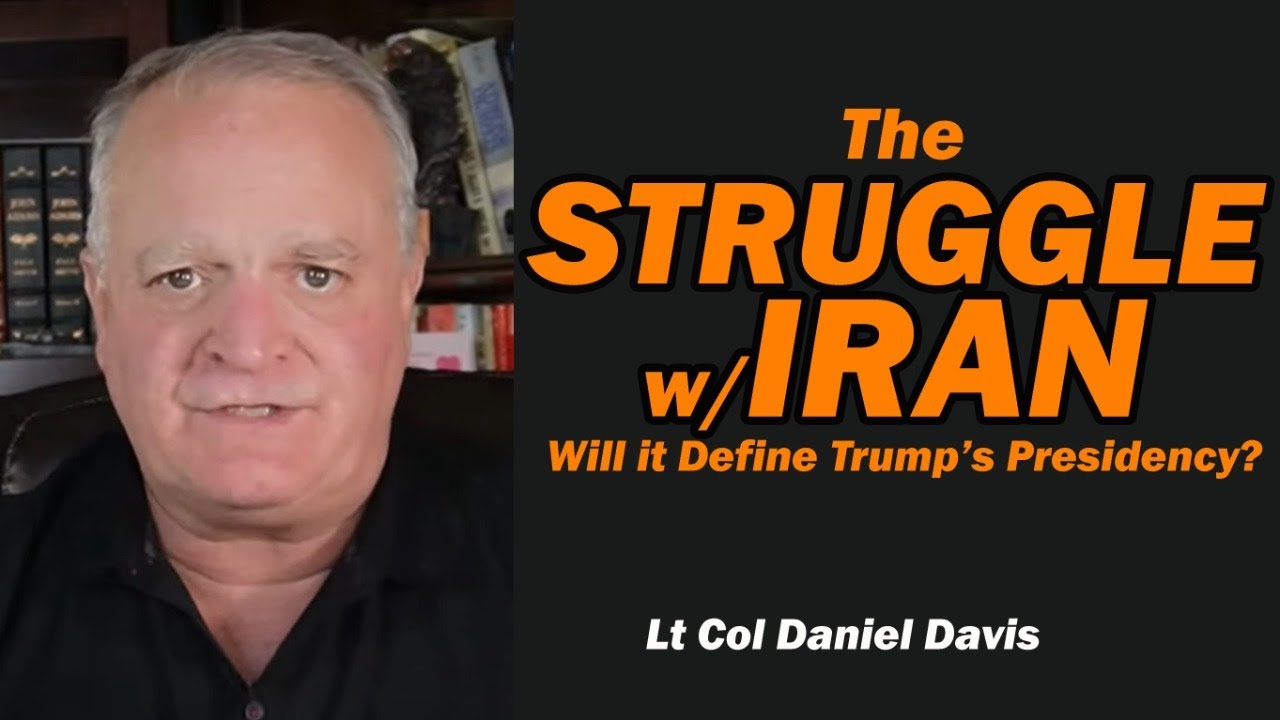
The STRUGGLE w/IRAN: Will it Define Trump's Presidency? /Lt Col Daniel Davis
Daniel Davis / Deep DiveHosted by Daniel Davis
Views
19K
0.3× the show’s average
Episode19K
Show avg75K
Published
8mo ago
Feb 5, 2026
Length
37m
show avg 49m
From the show
Description
** NEW MERCH ** Jackets & Sweatshirts, Thermo Mugs!! Daniel Davis Deep Dive Merch: Etsy store https://www.etsy.com/shop/DanielDavisDeepDive?ref=seller-platform-mcnav Stated Policy vs. Reality on Iran The president’s stated goal is preventing Iran from obtaining a nuclear weapon. He claims to favor diplomacy first while keeping military options open. The concern is that this framing treats war as a personal presidential decision, not a constitutional process involving Congress. Constitutional Breakdown The U.S. system was designed so the president cannot unilaterally decide to go to war. War authorization was intentionally made difficult to prevent impulsive or ignorant conflicts. This safeguard is now being normalized away, with the president portrayed as the sole decision-maker. That erosion of constitutional guardrails makes a disastrous, unnecessary war increasingly likely. Iran and the Nuclear Weapon Claim There is no confirmed evidence Iran has had an active nuclear weapons program since around 2003. U.S. intelligence assessments—including as recently as 2024—have said Iran: Has the technical capability Has not decided to build a bomb Has a religious prohibition (fatwa) against nuclear weapons The U.S. is now largely blind because inspectors are gone. Why the Problem Exists The U.S. exited the JCPOA (Iran nuclear deal) in 2018, despite it: Imposing major constraints on Iran Providing intrusive inspections and monitoring Offering at least a 10-year window to prevent weaponization If preventing a nuclear weapon were truly the goal, the U.S. already had an effective mechanism—and abandoned it. The JCPOA Misrepresentation Claims that Iran would inevitably race to a bomb when the deal expired are described as false. Iran had strong incentives to renew or extend the deal due to sanctions relief and snapback penalties. The collapse of the agreement was a U.S. choice, not Iranian noncompliance. Real Motive: Regime Destruction The nuclear issue is increasingly used as a pretext for regime destruction, not nonproliferation. Pressure comes from internal U.S. elites and especially Israel to eliminate Iran as a regional power. The likely outcome would be chaos similar to Syria—fragmentation, instability, and permanent conflict. Iraq Lesson Acknowledged—but Not Applied JD Vance and others acknowledge Iraq-style quagmires. Yet policy rhetoric still drifts toward decisions that repeat the same structural mistakes. Broader Context: “New World Order” The administration frames this moment as a global realignment in trade, globalization, and alliances. While shifts are real, the lack of coherent strategy risks producing disorder rather than order. Bottom Line The Iran nuclear threat is overstated. Diplomacy already worked and was discarded. War is being normalized as a presidential impulse rather than a national decision. This path risks catastrophic conflict with no clear benefit and enormous cost.
Mentioned
Names dropped

Related
Talks about similar things

Deep Dive Intel Briefing: What We Learned This Week 4-18-26 /Lt Col Daniel Davis
82K viewsDaniel Davis / Deep Dive·Apr 18, 2026

Deep Dive Intel Briefing 8/8/2026 Lt Col Daniel Davis
58K viewsDaniel Davis / Deep Dive·Aug 8, 2026

🚨BREAKING: Pentagon On LOCKDOWN! Trump Striking Iran, Seizing Kharg Island?!
57K viewsLARRY with Larry O'Connor·Jun 11, 2026

Daniel Davis: China & Russia Will Defend Iran
74K viewsGlenn Diesen·Feb 25, 2026

Host Shocked as Rubio Makes Him Regret Asking This Question
237K viewsThe Rubin Report·Mar 30, 2026

High Stakes Debate: Strike Iran or NOT? /Lt Col Daniel Davis
42K viewsDaniel Davis / Deep Dive·Feb 2, 2026