Loading
Views
31K
0.3× the show’s average
Episode31K
Show avg102K
Published
13mo ago
Sep 30, 2025
Length
1h 32m
show avg 1h 06m
From the show
Description
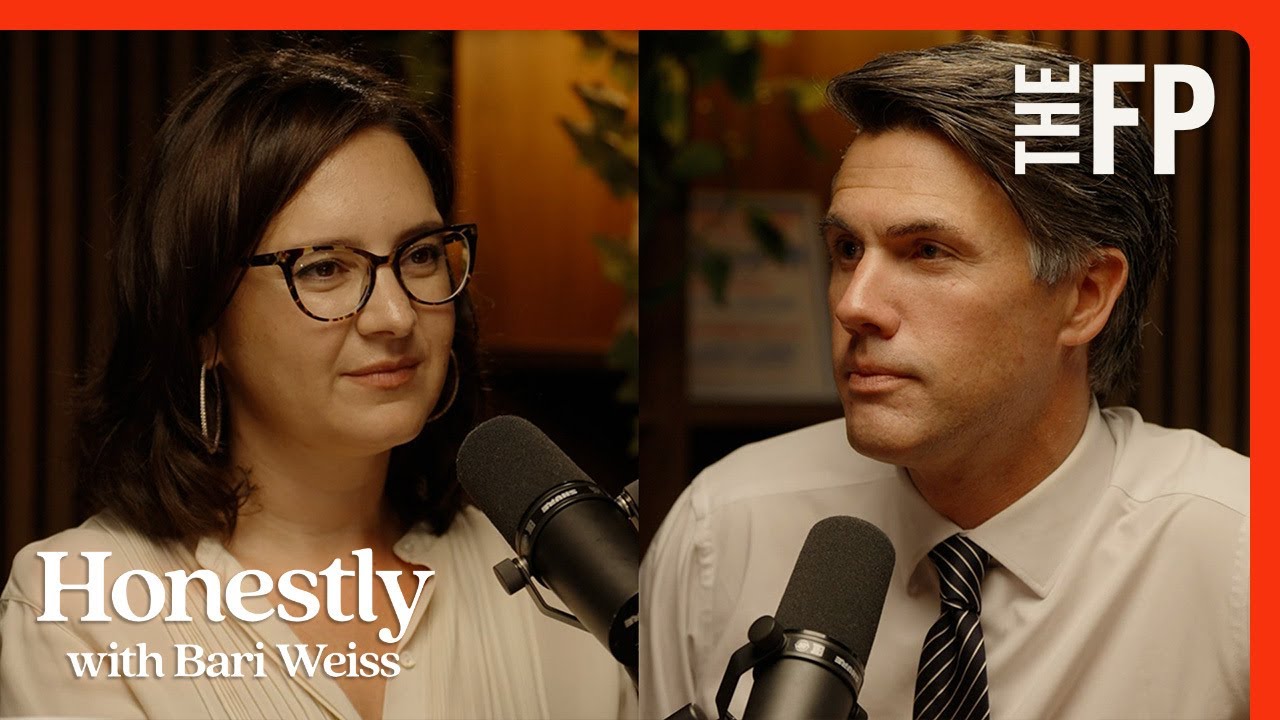
Think for yourself. Subscribe to The Free Press today: https://thefp.pub/3DmLpLi Leland Vittert is one of America’s most recognizable television correspondents. You’ll know his face from years of frontline reporting in places like Egypt, Libya, Israel, and Ukraine. You may have followed his tumultuous exit from Fox News in 2021, after clashing with the network over its coverage of Donald Trump—and then his redemption arc, becoming the host of On Balance and the chief Washington anchor at NewsNation. But what you might not know is that Leland is autistic. He just wrote a book about it, called Born Lucky: A Dedicated Father, a Grateful Son, and My Journey with Autism. In it, Leland explains that he didn’t talk until age 3, was born severely cross-eyed, and struggled with basic concepts like eye contact, humor, conversation cues, and social rules. Middle school and high school were nothing short of hell. So how did the kid I just described go from, as he says, “socially lost” to one of America’s most recognizable and charismatic voices? Training. Relentless, nonstop work. His father knew the world wouldn’t change for Leland—Leland would have to change for the world. It is a moving memoir about how Leland—and most notably, his father—worked to “beat” his autism. You’ll have to read it to understand how. Leland was diagnosed about 40 years ago. Since then, conversation has shifted dramatically—and so have rates of diagnoses. In the 1980s, about one in 1,000 American children were diagnosed with autism. Today, it’s one in 31. The questions of what causes autism and how we treat it have become so politicized that the conversation has left people either resentful, anxious, confused, or scared. And most critically, still without answers.
Related
More with these guests

Autism Isn’t a Super Power — Or a Deadend. A Story of Tough Love | Leland Vittert | Ep 1282
79K viewsAllie Beth Stuckey·Dec 29, 2025· With Leland Vittert

A Radically Different Approach to Raising Kids with Autism | Leland Vittert
49K viewsThe Rubin Report·Dec 27, 2025·With Leland Vittert

The Uncomfortable Truth About Raising Strong Kids - Leland Vittert
1K viewsThe Genius Life·Dec 2, 2025·With Leland Vittert

Dr. Josef Witt-Doerring on SSRI Violence + NewsNation's Leland Vittert Tackles Autism – Ask Dr. Drew
10K viewsDr. Drew·Oct 6, 2025·With Leland Vittert

Trump Sends National Guard to Portland, and Unhinged Leftist Reaction, with Shellenberger & Vittert
385K viewsMegyn Kelly·Sep 29, 2025·With Leland Vittert
Leland Vittert on the Middle East War, legacy media corruption, and his journey with autism.
7K viewsJillian Michaels·Sep 10, 2025·With Leland Vittert
Related
Talks about similar things
Leland Vittert on the Middle East War, legacy media corruption, and his journey with autism.
7K viewsJillian Michaels·Sep 10, 2025
Trump Sends National Guard to Portland, and Unhinged Leftist Reaction, with Shellenberger & Vittert
385K viewsMegyn Kelly·Sep 29, 2025
A Radically Different Approach to Raising Kids with Autism | Leland Vittert
49K viewsThe Rubin Report·Dec 27, 2025
The Uncomfortable Truth About Raising Strong Kids - Leland Vittert
1K viewsThe Genius Life·Dec 2, 2025
Autism Isn’t a Super Power — Or a Deadend. A Story of Tough Love | Leland Vittert | Ep 1282
79K viewsAllie Beth Stuckey·Dec 29, 2025
Dr. Josef Witt-Doerring on SSRI Violence + NewsNation's Leland Vittert Tackles Autism – Ask Dr. Drew
10K viewsDr. Drew·Oct 6, 2025