Loading

Episode
A Deep Dive Into Community of Christ (w/ Andrew Bolton) | Succession, Ep. 12
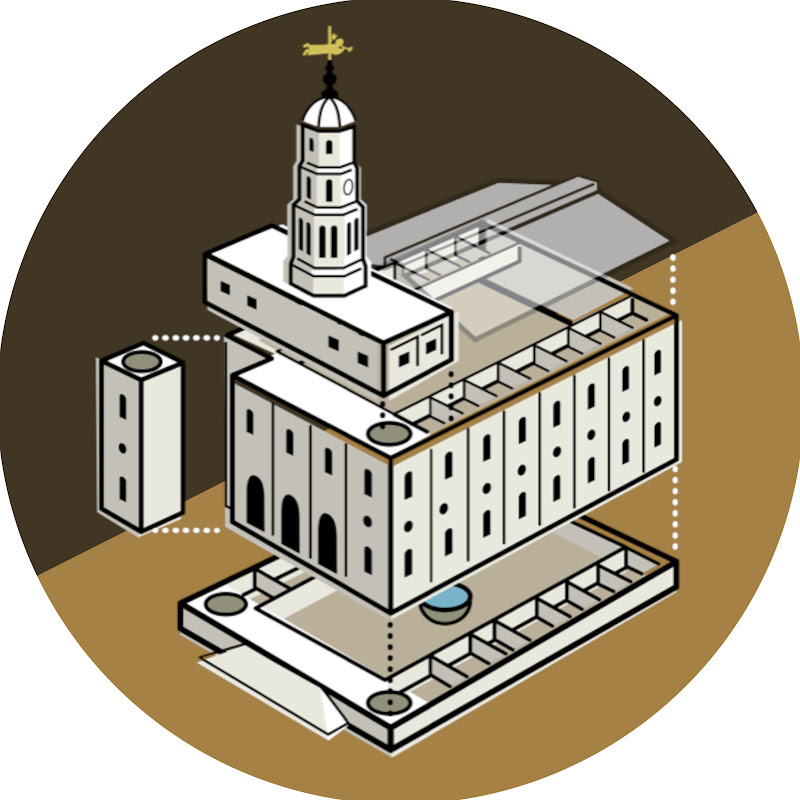
From the show
Chapters
Among many of those Nauvoo Saints who did not choose to follow Brigham Young and the Twelve Apostles into the mountains of Utah, there was an emerging hope that someone from the Smith family would step forward and begin a reorganization of the Church Joseph Smith Jr. had established. In 1851 a soft reorganization began and built up to that culminating moment of 1860 when the eldest son of Joseph and Emma Smith, Joseph Smith III, stepped forward at the age of 28 and was ordained president of what they referred to then as the Reorganized Church of Jesus Christ of Latter-day Saints, or RLDS Church. Over time their method of succession in their presidency developed upon a different set of criteria than that of their Utah-based cousins, as did many of their practices, policies, programs, and governing principles. In 2001 the name of the RLDS Church was changed to Community of Christ, and today this is the second largest branch of the Restoration movement. In this episode of Church History Matters, Casey and Scott sit down with Andrew Bolton, a friend and member of the Community of Christ who served in their Council of Twelve Apostles from 2007 to 2016. Together we take a deep dive into the details of how succession works in this movement, while also considering some key similarities and differences between our two Restoration branches today. This is the twelfth episode of our podcast series on succession in the presidency of The Church of Jesus Christ of Latter-day Saints. For a full transcript of this episode, as well as show notes and additional resources, visit our website at https://doctrineandcovenantscentral.org/podcast-episode/a-deep-dive-into-the-community-of-christ-w-andrew-bolton. You can also subscribe to our podcast via Spotify, Apple Podcasts, and other platforms, and follow us on popular social media platforms. Visit https://linktr.ee/churchhistorymatters to connect with us. Originally published October 8, 2024 DISCLAIMER: While we try very hard to be historically and doctrinally accurate in what we say on this podcast, please remember that all views expressed in this and every episode are our views alone, and do not necessarily reflect the views of Scripture Central or The Church of Jesus Christ of Latter-day Saints.
- 0:00Introducing Andrew Bolton
- 9:26Establishment of Community of Christ
- 11:28History of Succession (and Retirement) in Community of Christ
- 18:30McMurray Resigns and is Succeeded by Veazey
- 22:22The First Female President, Stassi Cramm
- 27:19Lay Ministry and Andrew Bolton's Call to the Apostleship
- 31:42Similarities Between Latter-day Saints and Community of Christ
- 36:45Some Differences Between the Two Churches
- 42:38Temples and How Both Churches See Them
- 49:54Views of The Book of Mormon, Canon, and Continuing Revelation
- 56:18Common Consent, LGBTQ Members, and Sexual Ethics
- 59:57How Community of Christ Helps Andrew Remain Centered on Christ
Mentioned
Names dropped
Related
Talks about similar things
Who Are the Strangites, the Josephites, and the Bickertonites? | Succession, Ep. 9
7K viewsChurch History Matters Podcast·Nov 12, 2024

A Deep-Dive Into the "Bickertonite" Movement (w/Josh Gehly) | Succession, Ep. 11
7K viewsChurch History Matters Podcast·Nov 20, 2024

The Rift in the Restoration: Exploring the Bickertonites Beliefs | Josh Gehly
20K viewsThe Stick of Joseph·Mar 18, 2026

Denying Joseph Smith’s Polygamy is Conspiracy Theory Thinking | Ep. 2003
35K viewsMormon Stories Podcast·Mar 20, 2025

From Mormon to Christian Pastor - Jean Daniel O’Donncada | Ep. 2105
26K viewsMormon Stories Podcast·Jan 20, 2026

New Female Latter Day Saint Prophet - The Mormon NewsCast #006
40K viewsMormon Stories Podcast·Jan 23, 2024