Loading
Views
2K
0.1× the show’s average
Episode2K
Show avg30K
Published
2mo ago
Aug 10, 2026
Length
1h 02m
show avg 43m
From the show
Description
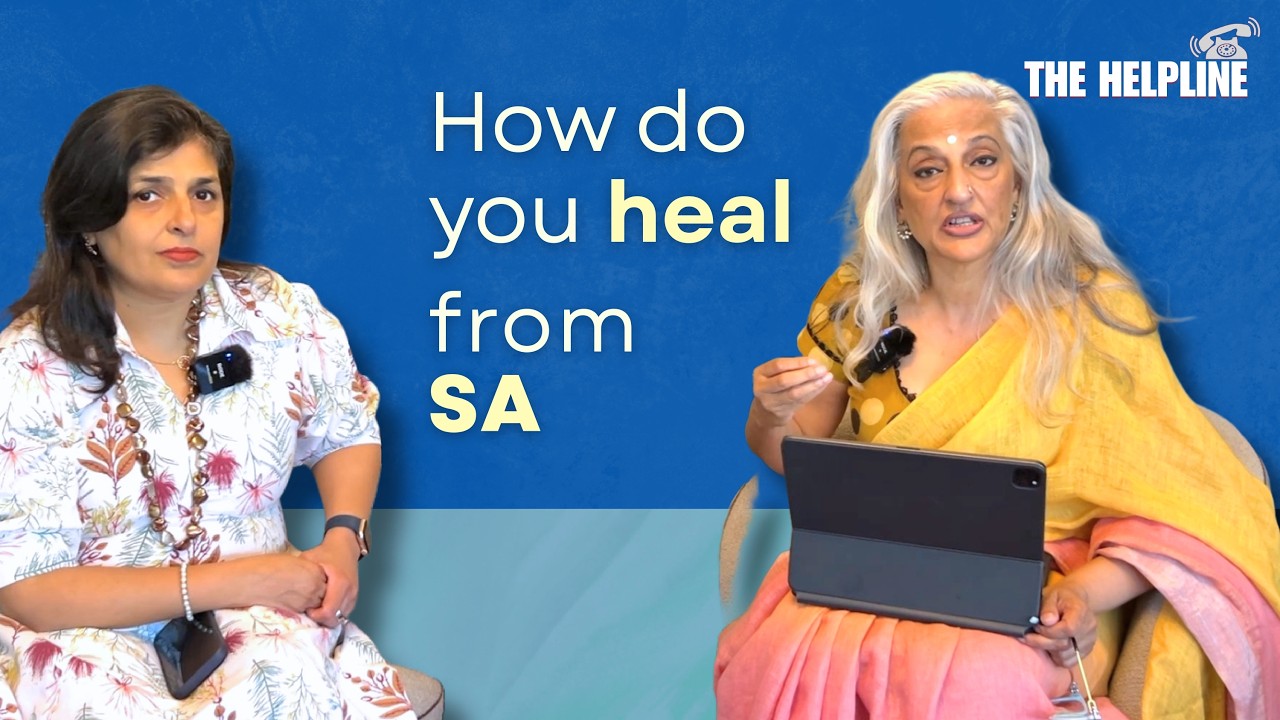
In this podcast we discuss how you make sense of something you may still be confused about, what you do with the anger, the shame or maybe even the absence of either, how you ask for help and how you begin to feel safe in your own body again? Breaking the silence around SA is more than just telling women to “speak up”, it’s about giving them the language and information to understand what happens after that. For instance how we actually react after SA versus how we are told we “should” react. We’ve painted this picture of a survivor - you must know immediately that what happened was wrong, you fight back, you must leave, you must tell someone, you must be angry, devastated, traumatised in ways that fits in what people can “recognise”. But if they freeze, stay quiet, go back to the abuser, laugh about it or minimise it, or take years to even find the language to talk about it, somehow it makes them “less believable”. There is NO RIGHT OR WRONG way to “react” or “look like afterwards”. Nothing makes your experience less real or less violating. That a just been society’s way of protecting the abusers. Dr. Anvita Madan-Bahel www.cultureandtherapy.co.uk
Related
Talks about similar things

Coping with accidentally seeing parental intimacy - Seema Anand The Helpline
6K viewsSeema Anand StoryTelling·Dec 3, 2024

We talk about cheating as if it is only about ‘penetration’. It isn’t!
12K viewsSeema Anand StoryTelling·Jan 11, 2026

#1 Kama Sutra Expert: "Men Find This IRRESISTIBLE In Women" (Do This IMMEDIATELY) | Seema Anand
199K viewsLisa Bilyeu·Jun 3, 2026

Our Dad's House of Horrors - Caryn Walker - Travis Podcast 4
27K viewsShaun Attwood·Oct 10, 2026

My Husband’s Sexual Requests Make Me Uncomfortable
144K viewsThe Dr. John Delony Show·Feb 9, 2026

Elite Occult Network Survivor - Gloria Masters & Travis
19K viewsShaun Attwood·Oct 8, 2026