Loading

Episode
U.S. Helps Ukraine STRIKE DEEP into Russia /Alexander Mercouris & Lt Col Daniel Davis

Views
62K
0.8× the show’s average
Episode62K
Show avg75K
Published
12mo ago
Oct 2, 2025
Length
59m
show avg 49m
From the show
Description
Daniel Davis Deep Dive Merch: Etsy store https://www.etsy.com/shop/DanielDavisDeepDive?ref=seller-platform-mcnav Please visit Alexander at His channel: https://www.youtube.com/@AlexMercouris/videos And The Duran: https://www.youtube.com/@TheDuran/videos Alexander argues past attempts to “freeze” the conflict were never realistic or acceptable to both sides, and those ideas have been abandoned. Because leaders haven’t pursued a broader, inclusive peace, policy is drifting back to the failed approach of constant escalation. Since February 2022 there has been continual escalation (artillery, missiles, deeper strikes) that hasn’t worked and risks making Russia more determined rather than pushing it to negotiate. Proposals to supply longer-range weapons (e.g., Tomahawk cruise missiles) to Ukraine are described as dangerous — they risk crossing Russian “red lines,” further hardening Moscow’s stance, and could provoke greater retaliation. The speaker questions the military logic: weapons (including those Russia already uses) haven’t delivered decisive results and Tomahawks are not unlimited, so arming Ukraine further may not change the war’s course. The public rhetoric from some Western leaders frames the war as one of defending Europe’s freedom, but the speaker criticizes that framing for ignoring legitimate Russian security concerns. Historical context matters: oversimplifying Europe’s history as only Western victimhood and Russia only as an aggressor skews policy prescriptions and undermines realistic diplomacy. The “peace through strength” narrative (more sanctions, weapons, ammunition, longer-range strikes) is characterized as essentially a call for more war; the speaker argues it will prolong the conflict rather than resolve it. Implicit recommendation: acknowledge the other side’s security concerns and pursue diplomatic, inclusive solutions rather than escalating military measures.
Mentioned
Names dropped

Related
More with these guests

Alexander Mercouris: Germany & Russia Vote — Europe’s War Fever Intensifies
293K viewsGlenn Diesen·Sep 23, 2026· With Alexander Mercouris

Alexander Mercouris: Ukraine Unravelling - War Enters New & Dangerous Phase
431K viewsGlenn Diesen·Sep 3, 2026·With Alexander Mercouris

Alexander Mercouris: NATO Will Soon Panic & Risk War with Russia
188K viewsGlenn Diesen·Jul 24, 2026·With Alexander Mercouris

IRAN WAR REPERCUSSIONS, THE US WILL BE BLAMED /The Duran's Alexander Mercouris
242K viewsDaniel Davis / Deep Dive·Jul 14, 2026·With Alexander Mercouris

Alexander Mercouris: A New Putin? From Diplomacy to War
271K viewsGlenn Diesen·Jun 30, 2026·With Alexander Mercouris

Ukraine Russia War Expansion /The Duran's Alexander Mercouris & Lt Col Daniel Davis
97K viewsDaniel Davis / Deep Dive·May 27, 2026·With Alexander Mercouris
Related
Talks about similar things

David Gibbs: How Intelligence Services Captured Academia & Journalism
160K viewsGlenn Diesen·Aug 17, 2026
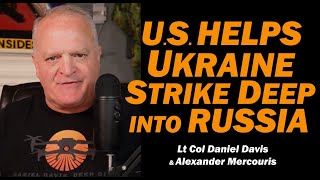
U.S. Helps Ukraine Strike Deep into Russia /Lt Col Daniel Davis & Alexander Mercouris
29K viewsDaniel Davis / Deep Dive·Oct 2, 2025
Ukraine Russia War Expansion /The Duran's Alexander Mercouris & Lt Col Daniel Davis
97K viewsDaniel Davis / Deep Dive·May 27, 2026
Alexander Mercouris: Ukraine Unravelling - War Enters New & Dangerous Phase
431K viewsGlenn Diesen·Sep 3, 2026
Alexander Mercouris: NATO Will Soon Panic & Risk War with Russia
188K viewsGlenn Diesen·Jul 24, 2026

John Mearsheimer: All-Out War in the Middle East & Trump's War on Russia
463K viewsGlenn Diesen·Jul 16, 2026