Loading
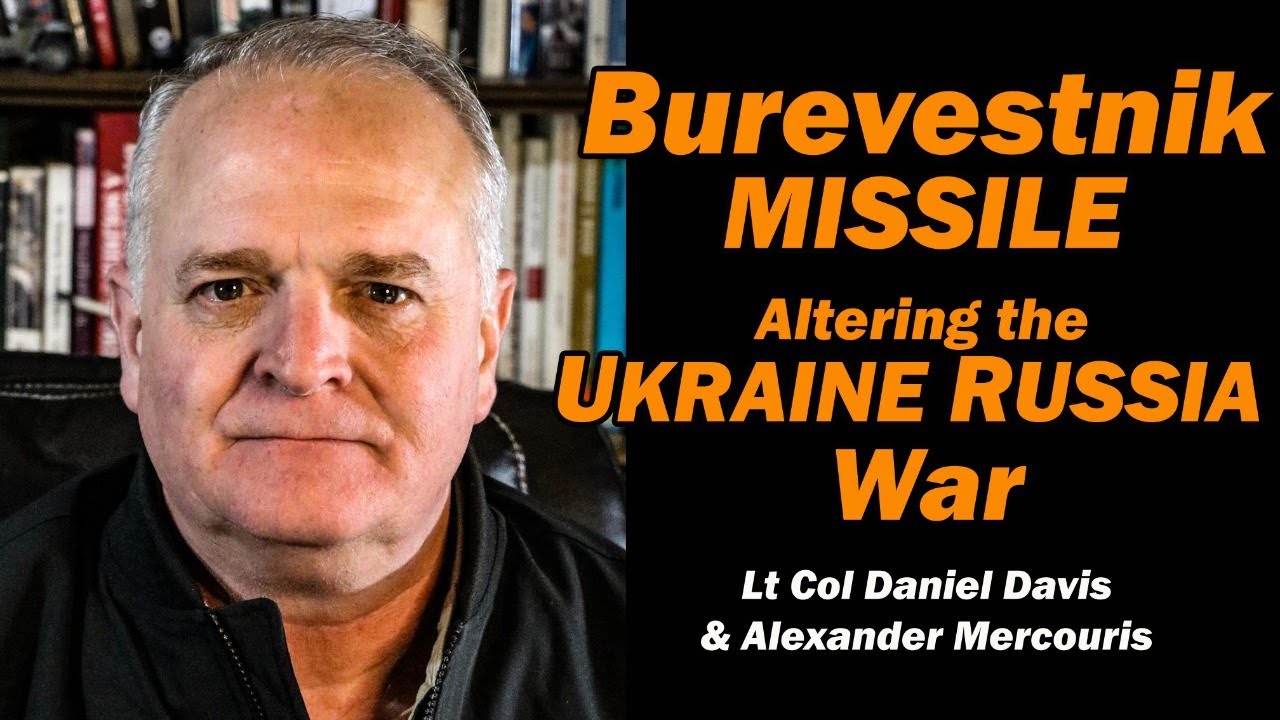
Episode
Burevestnik Missile Altering the Ukraine Russia War /Lt Col Daniel Davis & Alexander Mercouris

Views
168K
2.2× the show’s average
Episode168K
Show avg75K
Published
11mo ago
Oct 29, 2025
Length
49m
show avg 49m
From the show
Description
Daniel Davis Deep Dive Merch: Etsy store https://www.etsy.com/shop/DanielDavisDeepDive?ref=seller-platform-mcnav PLEASE VISIT ALEXANDER: https://www.youtube.com/@AlexMercouris/videos and at the DURAN https://www.youtube.com/@TheDuran/videos The discussion focuses on Russia’s recent unveiling of the Burevestnik (“Burvesnik”) nuclear-powered, nuclear-armed cruise missile, and its potential impact on global security and the war in Ukraine. Analyst Alexander Mercouris explains that the missile’s reported ability to fly indefinitely, maneuver globally, and remain undetectable makes it a major technological breakthrough but also highly destabilizing. It does not increase Russia’s nuclear deterrent value — since strategic parity already exists — but it does add a new layer of uncertainty and potential danger. Mercouris notes that Russia’s miniaturization of a nuclear reactor small enough to power a missile, which can start within seconds and reportedly emits no radiation, is a remarkable achievement. However, its ability to loiter undetected and strike from any direction raises tensions and risks miscalculation, especially in crisis scenarios. He links the development of such weapons, including the Poseidon nuclear-powered underwater drone, to the collapse of global arms control treaties, such as the INF Treaty and the New START Treaty, which is set to expire soon. The absence of negotiations between Washington and Moscow has left a vacuum that encourages these destabilizing technologies. Mercouris and the host stress that both weapons — Burevestnik and Poseidon — highlight how far arms control has unraveled since the Cold War. They urge the U.S. and Russia to renew the New START Treaty and resume dialogue to prevent escalation and restore strategic stability. In essence, Russia’s new nuclear technologies don’t change the course of the Ukraine war directly, but they raise the global stakes, intensify nuclear anxiety, and underscore the urgent need for renewed arms control talks between major powers.
Mentioned
Names dropped

Related
More with these guests

Alexander Mercouris: Germany & Russia Vote — Europe’s War Fever Intensifies
293K viewsGlenn Diesen·Sep 23, 2026· With Alexander Mercouris

Alexander Mercouris: Ukraine Unravelling - War Enters New & Dangerous Phase
431K viewsGlenn Diesen·Sep 3, 2026·With Alexander Mercouris

Alexander Mercouris: NATO Will Soon Panic & Risk War with Russia
188K viewsGlenn Diesen·Jul 24, 2026·With Alexander Mercouris

IRAN WAR REPERCUSSIONS, THE US WILL BE BLAMED /The Duran's Alexander Mercouris
242K viewsDaniel Davis / Deep Dive·Jul 14, 2026·With Alexander Mercouris

Alexander Mercouris: A New Putin? From Diplomacy to War
271K viewsGlenn Diesen·Jun 30, 2026·With Alexander Mercouris

Ukraine Russia War Expansion /The Duran's Alexander Mercouris & Lt Col Daniel Davis
97K viewsDaniel Davis / Deep Dive·May 27, 2026·With Alexander Mercouris
Related
Talks about similar things

George Beebe: The Peace Plan with Russia the West Ignores
81K viewsGlenn Diesen·Aug 8, 2026

Ukraine & Europe Can't Out Wait Russia /Alexander Mercouris & Lt Col Daniel Davis
69K viewsDaniel Davis / Deep Dive·Feb 3, 2026
U.S. Helps Ukraine Strike Deep into Russia /Lt Col Daniel Davis & Alexander Mercouris
29K viewsDaniel Davis / Deep Dive·Oct 2, 2025

David Gibbs: How Intelligence Services Captured Academia & Journalism
160K viewsGlenn Diesen·Aug 17, 2026

John Mearsheimer: All-Out War in the Middle East & Trump's War on Russia
463K viewsGlenn Diesen·Jul 16, 2026

Steven Jermy: Russia's War Objectives & Europe's Downfall
36K viewsGlenn Diesen·Nov 27, 2025