Loading
Episode
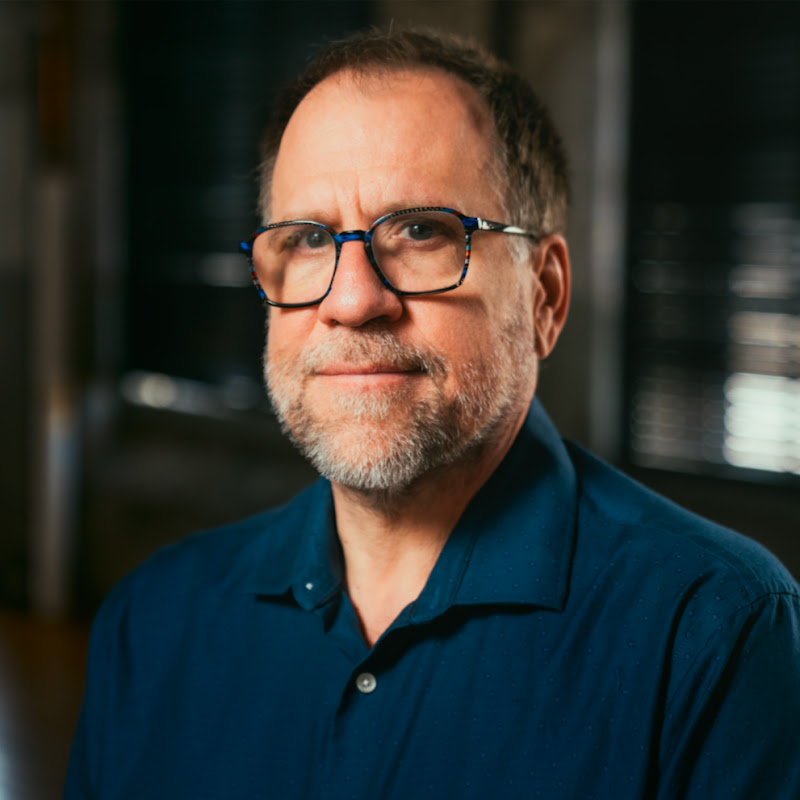
What Is a Daimon? Charles Stang on the Higher Self, Socrates & Divine Guidance


Views
6K
0.7× the show's usual
Length
1h 20m
usual ~1h 18m
From the show
Description
What if the voice you call your “higher self” is neither simply you nor wholly other than you? In this Lectern conversation, Ethan Hsieh is joined by Charles Stang to introduce Daemons in Divinity, a course exploring the ancient Greek tradition of the daimon and what it can teach us about the self, divine presence, discernment, wisdom, and transformation. Charles traces the daimon from Socrates’ mysterious guiding voice through the Platonic tradition, where daimons emerge as intermediary beings between humans and gods and, at times, as something like our own highest self. Rather than reducing the daimon to intuition or the “higher self,” Charles asks what becomes possible when we return to centuries of philosophical reflection on these experiences. The conversation explores self-deception and discernment, theory and practice, Christian traditions of angels and demons, daimons as bodies of air, theater and spirit possession, Jung, reading as a transformative practice, and the possibility that encounters with the daimon can fundamentally change how reality appears. Daemons in Divinity begins October 15 and meets Thursdays at 9:00 AM Eastern Time. Learn more and register: https://lectern.johnvervaeke.com/courses/daemons-in-divinity Explore more from The Lectern: https://lectern.johnvervaeke.com/ Chapters: 00:00 Reading as transformation 01:50 Welcome to The Lectern and Charles Stang 02:30 Daemons in Divinity: what is a daimon? 03:20 Charles Stang, John Vervaeke, and Our Divine Double 04:20 Socrates and the daimonion 06:00 The divine double and becoming more divine 07:00 Why the divine double resonates today 08:40 Ancient sources and modern experience 10:40 A dialogue across time 11:10 Role-play: isn’t the daimon just the higher self? 12:40 Why study the Greek tradition? 14:00 How primary sources challenge us 15:50 Can you simply trust your gut? 17:20 Why following the higher self requires work 18:50 Discernment and inner guidance 19:30 Theory and practice 20:10 The higher self versus the voice of God 21:40 Self-deception, wish fulfillment, and the layered self 23:00 Christianity, angels, demons, and discernment 24:00 Weighing spiritual experiences 25:10 Intrusive thoughts, certainty, and action 27:30 Extraordinary, axis-shifting encounters 29:10 Mirror images, Christ, and the divine double 30:40 How do you pronounce “daimon”? 31:10 Daimon, daemon, and demon 32:00 Daimon as divine presence and power 32:50 Intermediary gods and Socrates’ guide 34:00 The daimon as intermediary and highest intellect 34:50 Humans, daimons, and gods on a spectrum 36:00 Otherness, metacognition, and significance 38:20 What can the tradition teach us about wisdom? 39:00 Socrates’ voice and attuning perception 40:20 What kind of bodies do daimons have? 42:00 Bodies of air and the experience of a voice 42:50 Apuleius and On the God of Socrates 43:40 Learning to perceive air differently 44:30 Aristophanes’ Clouds 45:40 Theater, spirit possession, and embodiment 49:30 Where does the daimon appear today? 50:00 Possession as partnership 51:30 The daimonic dimension of philosophy 52:40 Deification and modern philosophy 53:00 The higher self in contemporary spirituality 54:40 Psychoanalysis and the vertical dimension 56:10 Why we need “analysts of the vertical” 56:40 Jung, Philemon, shadow, and the expanded self 59:00 Parenthood, fear, and becoming who you could be 61:00 The “spirit of Jesus” and transformation 63:10 Charles shares a personal experience 63:50 Reading as a practice of transformation 64:20 When an author seems to become present 65:30 Reading and the divine double 67:00 Flatland and discovering a larger reality 68:10 Power, presence, and personhood 69:30 Psychedelics, books, and a multidimensional world 70:30 The vertical dimension and God 71:10 Daimons as intermediaries and expressions of the gods 72:50 Why ambiguity matters 73:20 What students can expect from the course 74:40 Gaining confidence with ancient sources 75:10 A path through Greek philosophy 75:50 Where does the self end and the other begin? 76:40 A cosmos filled with intermediary beings 77:20 Bringing the tradition into practice 78:00 Openness to transformation 78:10 Course schedule and registration 79:20 A participatory seminar 79:50 Closing invitation Support The Lectern: https://www.patreon.com/johnvervaeke John Vervaeke: https://johnvervaeke.com/ https://www.youtube.com/@johnvervaeke https://www.patreon.com/johnvervaeke
Related
