Loading
Episode
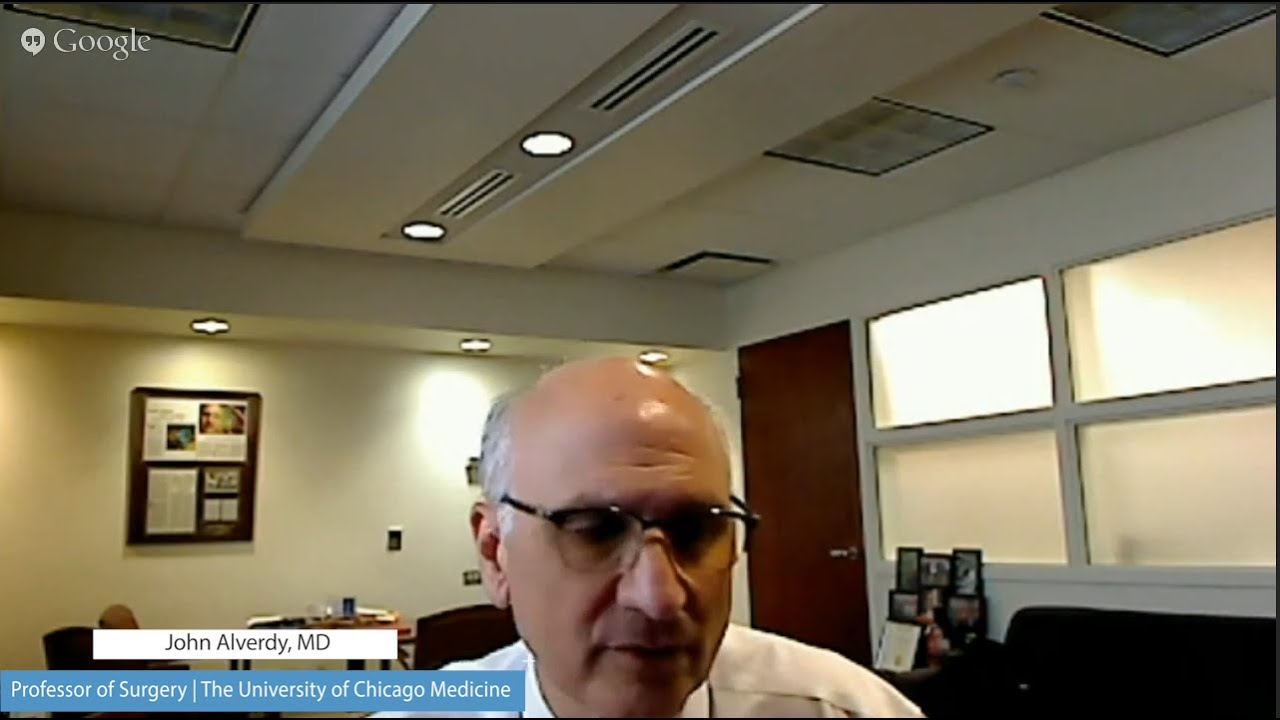
Gut Microflora Destroyed During Long Hosptial Stays w/ John Alverdy, MD
Views
2K
0.0× the show’s average
Episode2K
Show avg91K
Published
11y ago
Aug 26, 2015
Length
37m
show avg 56m
From the show
Description
Science says eating just one meal per day can improve your health. Learn more at https://highintensityhealth.com/OMAD ----- Listen to the Podcast in iTunes: http://highintensityhealth.com/itunes Show Notes-- 4:06 Healing from Surgery and Gut Flora: When you are a surgical patient, you have your procedure, you go home, and you start eating your regular food. You have generally had one shot of antibiotics, which assaults your gut microbiome, but you can rebuild your gut flora quickly at home by resuming your regular diet. There are about 80,000 elective operations done every day and most of us heal quickly at home. 5:00 Longer Hospital Recovery and Gut Biodiversity: Sometimes we have a prolonged recovery, for example after, a car accident, a liver transplant, or burn injuries. In the intensive care unit, even when there is no identified source of infection, doctors will put 80% of us on antibiotics unnecessarily. 6:37 The Consequences of Unnecessary Antibiotics in Prolonged Recovery: It is called ecological collapse of the normal gut biome. Your normal health-promoting microbiome is replaced with a pathobiome. Harmful, pathogenic, bacteria become predominant in your gut. This dysbiosis can directly impair the immune system and directly and adversely affect the outcome. Instead of being better in a day or two, it may take you 2 weeks to recover. 7:23 The Impact of a Pathogenic Gut Microbiome on the Immune System: There is now evidence that your normal gut bacteria drive your entire body’s immune response. Studies in animals show that even a sterile incision distant from the gut heals much worse if you destroy the gut microbiome. 8:25 Overuse of Antibiotics: Dr. Alverdy is glad that we have antibiotics. They save countless lives. Clearly, we are overusing them. Now that we have the molecular tools to understand it and as we have the science to back it up, we can use this science to change the clinical course of treatment. Perhaps, we could narrow the antibiotic’s spectrum or use alternative approaches like delivering the antibiotic to the wound site rather than systemically. 10:36 Chemically Defined Diets Impact Upon Gut Biodiversity: With food, the whole is greater and more powerful than the sum of its parts. Using chemicals that have many of the components of food does not feed the microbiome and does not fully nourish the body. Using chemicals that have the components of the gut flora byproducts does not nourish the body either. Chemically defined diets are inadequate. They do not have the same effect on the microbiome, and thus the immune system, as real food. We cannot eat real food when we are very sick. Dr. Alverdy is hoping that through the sciences of metabolomics, proteomics, and microbial genetics, we will make discoveries that will allow us to better nourish our people and their gut microbiome. 14:15 Prophylactic Probiotics before Surgery: Probiotic supplements offer a few strains of bacteria for the gut. To re-faunate the gut, you would need a multitude of bacterial strains to create the diversity required to maintain your health. 17:25 The Leaky Gut and Endotoxin Relationship: In leaky gut, your gut lining has been compromised and toxins, released by your gut bacteria, leaks into your bloodstream in small amounts, triggering an immune response. Leaky gut is being linked in theory to diseases for which there is no identified infectious agent, like autism, MS, and fibromyalgia. It is unclear whether the endotoxin in the blood is a marker for the problem or it is driving the problem. In Dr. Alverdy’s opinion, it is more likely that the endotoxin is the result of the leaky gut rather than the cause. 18:58 Your Gut is REALLY Smart: Your GI tract is discriminating. It lets the good stuff in and keeps the bad stuff out. It constantly surveys what is in the gut, so it can be ready for anything at any time. It is a very molecularly complex process. Lymph nodes serve as checkpoints where intruders are identified and detoxified. The endotoxin that may seep through a permeable intestine would probably be mostly detoxified. 20:25 Microbial Shifts Post Surgery: In a recent study, gastric bypasses were performed on mice. Their stool microbiome dramatically changed. Pre-surgery stools and post-surgery stools were transplanted into over-weight mice. The overweight mice that received the post-surgery stool lost weight. They also had improved glucose tolerance, improved metabolic syndrome, and improved fatty liver. Gastric bypass, through alterations in the gut microbiome, appears to change energy efficiency and energy regulation. We are nowhere near a place where we can take a pill to implement these changes and lose weight. It could be that people who struggle with their weight all of their lives, have some sort of altered energy balance. They are eating more than
Related
Talks about similar things
Gut Bacteria Burn Fat, Thrive on Real Food - Gerard Mullin, MD
63K viewsHigh Intensity Health·Jun 9, 2015

Keto Diet & Gut Bacteria w/ David Perlmutter, MD
744K viewsHigh Intensity Health·Nov 9, 2016

317 ‒ Reforming medicine: uncovering blind spots, challenging the norm, and embracing innovation
40K viewsThe Peter Attia Drive·Sep 16, 2024

283 ‒ Gut health & the microbiome: improving and maintaining the microbiome, probiotics, & more
499K viewsThe Peter Attia Drive·Dec 18, 2023

Can You Prevent Cognitive Decline? with Dr. David Perlmutter - TBWWP
13K viewsAmenClinics·Feb 23, 2018

The Longevity Doctor: These 4 Gut Bacteria Keep You Young & Disease-Free! Eat This to Get Them!
599K viewsLewis Howes·Mar 10, 2025